The Short Answer
ECU remapping — also called a remap, chip tuning, or ECU tuning — is the process of reading and modifying the software that controls your vehicle's engine management system. By adjusting the parameters within that software, a professional remapper can improve your vehicle's power output, torque, throttle response, and in many cases fuel economy.
The long answer, as with most things automotive, involves rather more detail.
What Is an ECU?
ECU stands for Engine Control Unit. It's the computer that manages your engine's operation. Every modern vehicle has one — in many cases, several.
The ECU continuously monitors and controls dozens of engine parameters: how much fuel is injected at any given moment, when the fuel is ignited relative to the piston position, how much turbo boost is produced, what the maximum torque limit is at any RPM, how aggressively or smoothly the throttle responds to driver input, and much more.
Inside the ECU is a "map" — a set of data tables and values that determine how the engine behaves across its full operating range.
Why Does the Factory Map Leave Room for Improvement?
This is the most important question in understanding why remapping works — and it has several honest answers.
1. Global vehicle production — A manufacturer produces one vehicle that is sold across dozens of countries with different fuel quality standards, different climate conditions, different driving regulations. The factory map needs to work safely across all of those conditions.
2. Engine family derivatives — Within any engine family, manufacturers often produce several power variants from essentially the same hardware. In many cases, the difference is entirely in the software. This is a commercial decision, not an engineering one.
3. Emissions and regulatory compliance — Modern engines operate under strict emissions regulations. Some of the compromises built into factory calibrations are direct responses to meeting emissions targets.
4. Drivetrain protection — Manufacturers also build in torque limits to protect downstream components designed to a cost and weight specification.
The result of all these compromises is a vehicle that performs significantly below its physical potential. A professional remap addresses this.
How Does the Remapping Process Work?
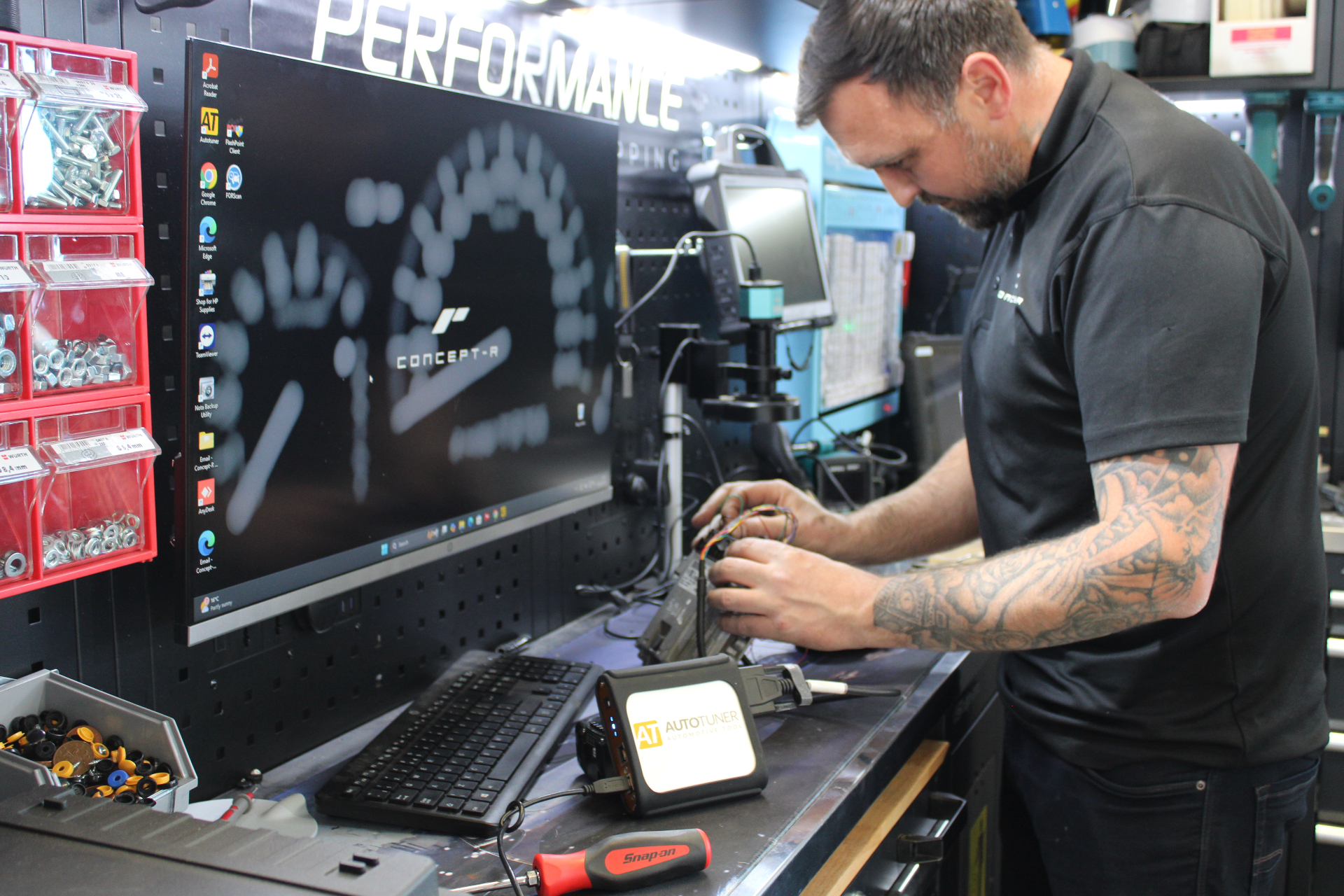
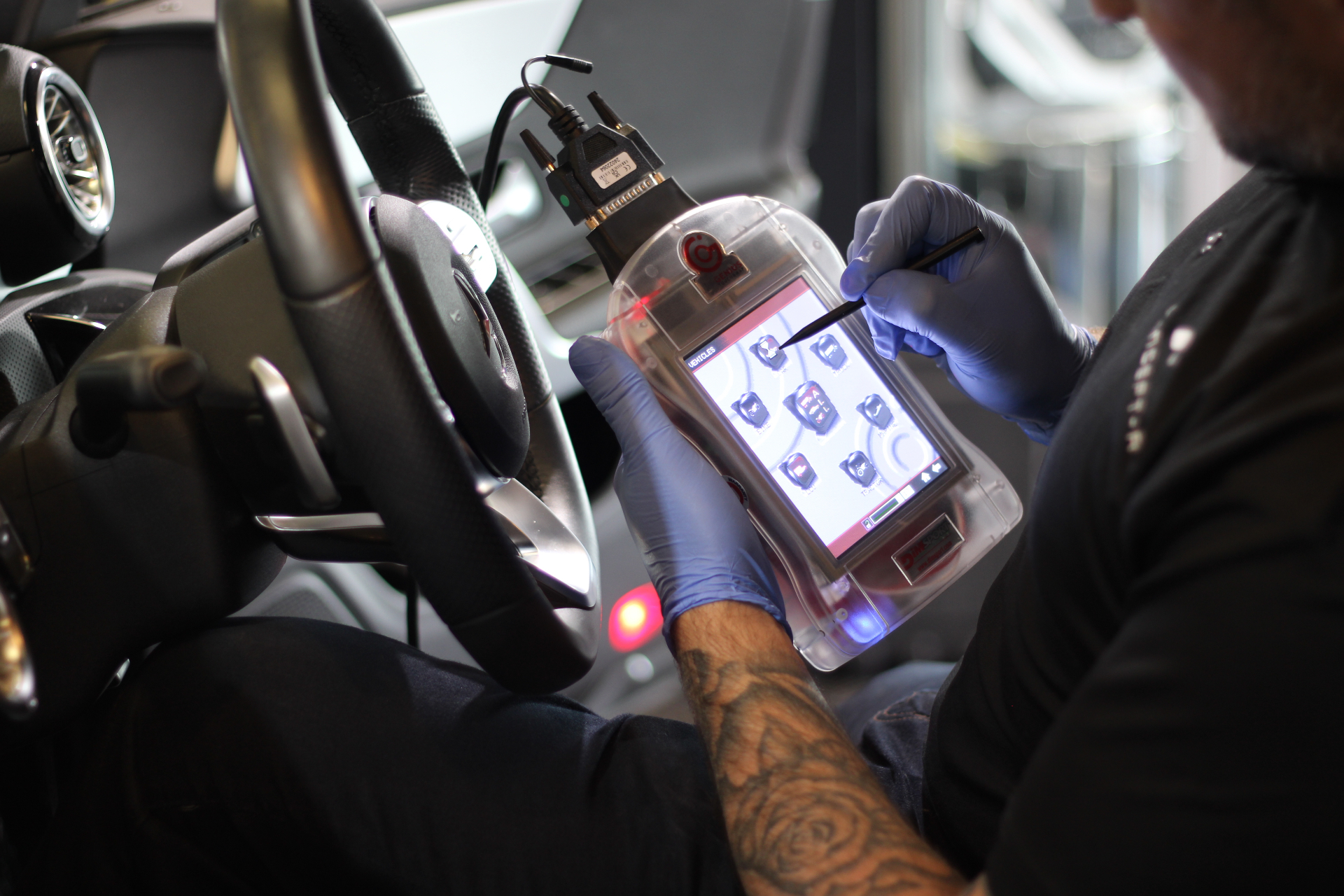
Step 1 — ECU read: The remapper connects to the vehicle's OBD port or in some cases removes and bench-reads the ECU directly. The software is read and saved as a base file.
Step 2 — Calibration development: A professional remapper modifies specific parameters — boost pressure targets, fuelling maps, ignition timing, torque limits, throttle response curves — based on known safe limits for the engine and drivetrain.
A budget remapper may simply download a generic modified file from an online database. This is the primary reason cheap remaps often underperform or cause problems.
Step 3 — ECU write: The modified calibration is written back to the ECU.
Step 4 — Test drive and verification: The vehicle is test driven to confirm the calibration is performing as expected.
What Types of Vehicles Can Be Remapped?
Most modern petrol and diesel vehicles fitted with a turbocharged engine can benefit significantly from remapping. Naturally aspirated engines can also be remapped, though the gains are typically more modest.
Diesel vehicles — particularly turbodiesel vans and cars in the 1.5–2.0 litre range — respond particularly well to remapping and tend to produce the most noticeable real-world improvements.
What Gains Can You Realistically Expect?
Power and torque gain figures vary enormously by vehicle. As a general guide for a professional Stage 1 remap on a modern turbodiesel:
• Power: 15–40 bhp increase (vehicle-dependent)
• Torque: 40–80 Nm increase (vehicle-dependent)
• Throttle response: Noticeably sharper
• Fuel economy: 10–20% improvement in real-world conditions is commonly reported
Is ECU Remapping Safe?
When carried out professionally — with properly developed custom calibrations, by a qualified specialist — yes. ECU remapping is safe.
The key word is professional. A remap that pushes the engine beyond safe limits, uses a generic file, or ignores existing faults will not produce safe or reliable results. This is why we carry out a full pre-remap diagnostic check before every job.
Will Remapping Void My Warranty?
This is a topic that deserves its own article — and we've written one. The short version: it's nuanced. The presence of a remap can be detected by a manufacturer during a dealer service. Whether it voids your entire warranty depends on the manufacturer, your specific warranty terms, and whether the fault being claimed on can be directly attributed to the remap.
Next Steps
If you've read this far and you're thinking about getting your vehicle remapped, here's what to do next:
1. Check our service pages to understand which stage is right for your vehicle
2. Read the Stage 1 vs Stage 2 vs Stage 3 guide if you're not sure where you sit
3. Get a free quote or call us directly to discuss your specific vehicle
Concept-R Performance is based in Chesterfield and serves customers across Sheffield, Rotherham, Doncaster, Barnsley, Worksop, Mansfield and the wider region. Every remap we carry out includes a lifetime software warranty and full money-back guarantee.