Why This Matters Before You Book
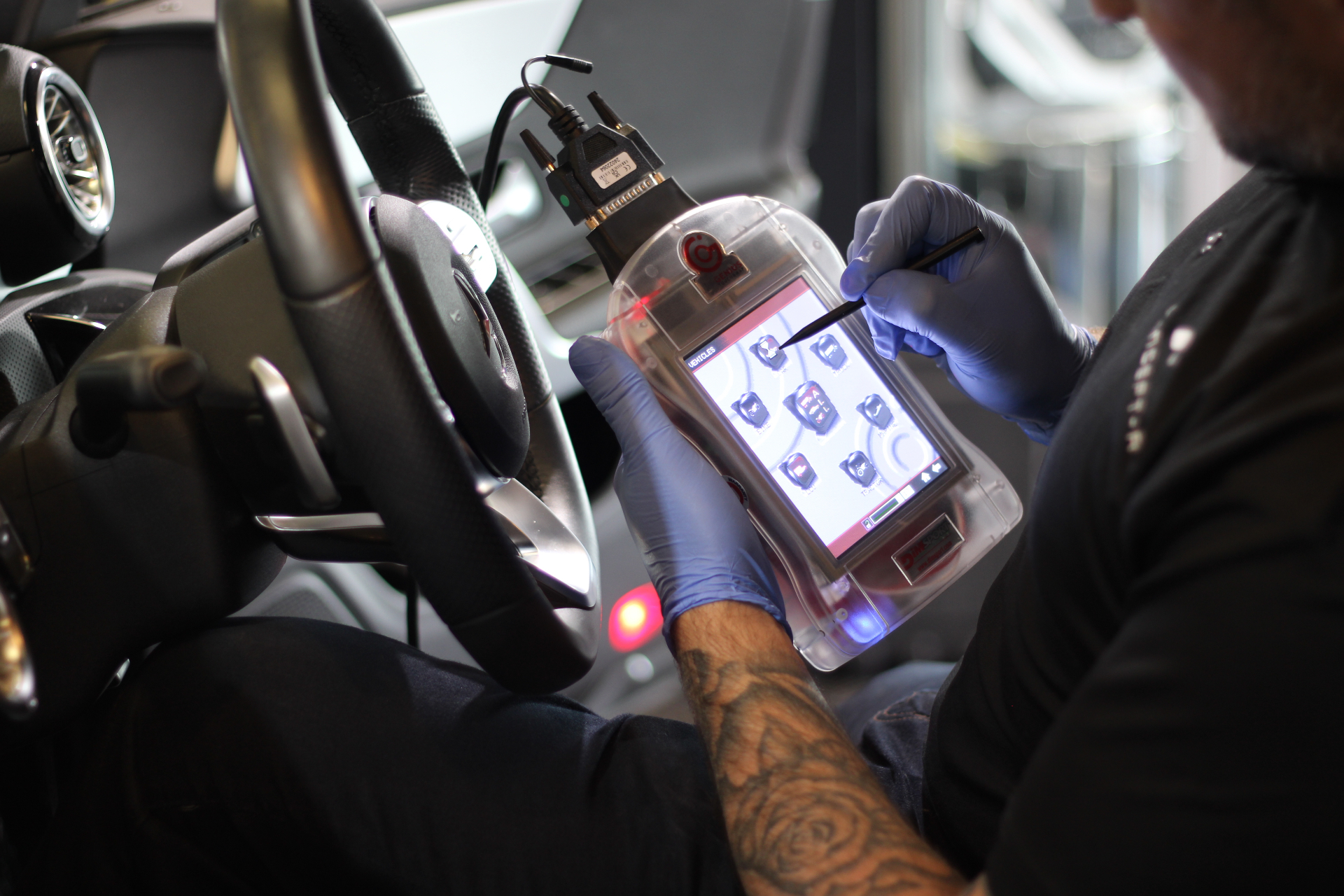
A professional ECU remap will deliver real, noticeable improvements to your vehicle — but only if the vehicle is in the right condition to receive one. At Concept-R, we carry out a full pre-remap diagnostic check on every vehicle before we start. Not every company does.
Here are five things you should check before booking anywhere — including us.
1. Make Sure Your Vehicle Is Mechanically Sound
A remap puts more demand on the engine. If you've got existing faults — oil leaks, worn turbo seals, failing injectors, or anything flagged on diagnostics — get those sorted first.
Remapping a vehicle with underlying mechanical issues won't fix those issues. In some cases, it can make them worse. A healthy engine is the foundation of a good remap.
At Concept-R, if we find an existing fault during our pre-remap diagnostic, we'll tell you — and we'll advise whether it needs addressing before we proceed.
2. Check Your Service History
A well-maintained vehicle with regular oil changes and clean filters will respond much better to a remap and run reliably long-term.
Oil quality matters. Filter condition matters. If your vehicle is overdue a service, get that done first. Fresh oil and clean filters give the engine the best possible starting point for a remap.
This is particularly important for diesel vehicles — where turbo health and injector condition are directly affected by service history.
3. Think About Your Warranty
If your vehicle is brand new with significant manufacturer warranty remaining, weigh up whether the remap is worth the potential impact on that warranty.
We've written a complete guide on this topic — Does Remapping Void Your Warranty? — which covers exactly what UK law says and what the practical risks are.
The short version: a manufacturer cannot automatically void your entire warranty because of a remap. But they can decline to cover a specific fault if they can demonstrate the remap directly caused it. If you have substantial warranty remaining, it's worth having a conversation with us about your specific situation.
4. Tell Your Insurance Company
A remap is a vehicle modification and should be declared to your insurer. This is non-negotiable.
The good news is that most insurers add a small amount — or nothing at all — for a Stage 1 remap. Some specialist insurers even welcome it as a sign of a well-maintained vehicle.
The risk of not declaring is simple: if you make a claim and the insurer discovers the modification wasn't disclosed, they can refuse to pay out entirely. It's not worth the gamble.
5. Choose Your Remapper Carefully
Not all remaps are equal. Before you book, ask the following:
• What diagnostic checks do they carry out before the remap?
• Do they use custom tuning files or generic downloads?
• What warranty do they offer on their work?
• What happens if you're not happy with the result?
• Are they qualified? (Look for IMI qualifications, RAC approval, industry awards.)
If a company can't answer these questions clearly, or if they don't offer a warranty — that should tell you everything you need to know.
At Concept-R, every remap includes a full pre-remap diagnostic, custom calibration files, a lifetime software warranty, and a money-back guarantee.
Ready to Book?
If you've ticked all five boxes, your vehicle is in great shape for a remap. Give us a call or book online — we'll take it from there.
If you're not sure about any of these points, call us anyway. We'll give you honest advice, even if that advice is 'wait until X is sorted first.' That's how we operate.